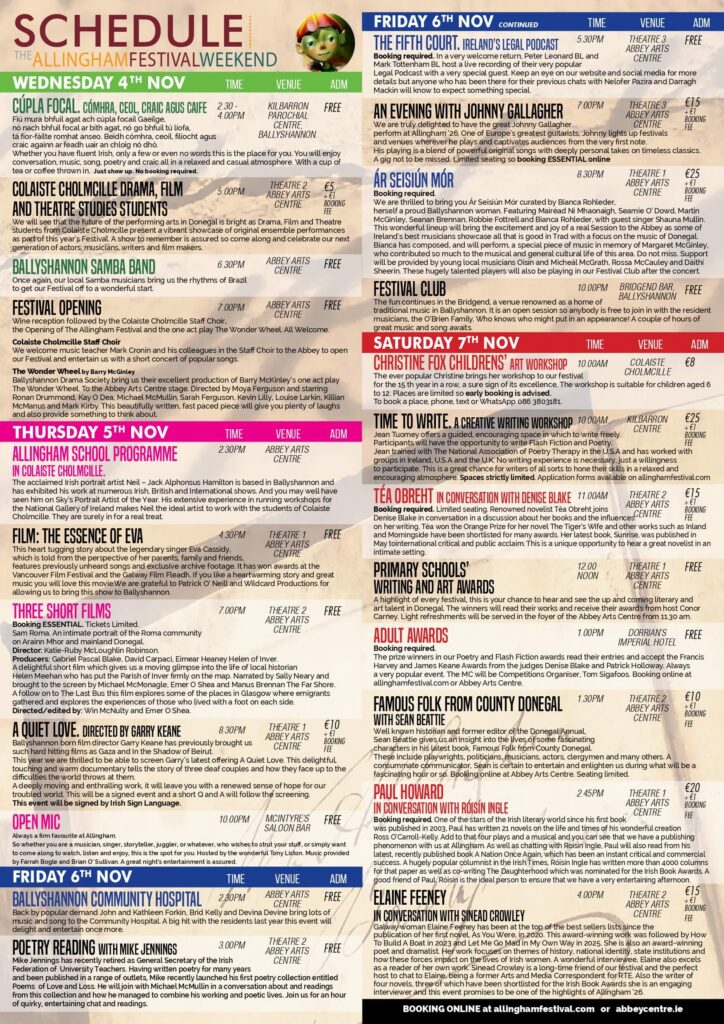
The Allingham Arts Festival has brought literature, poetry, music and drama to the streets of Ballyshannon every November for over a decade.

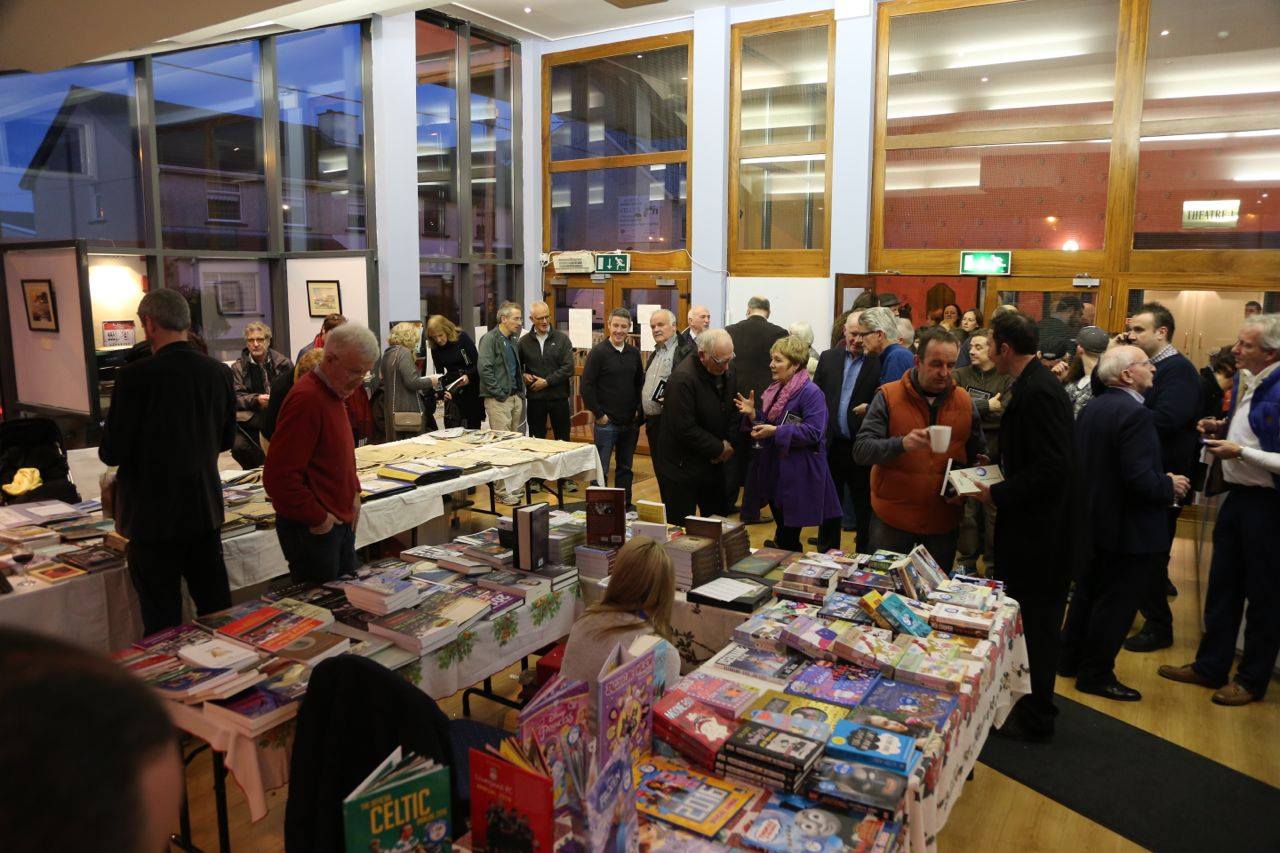
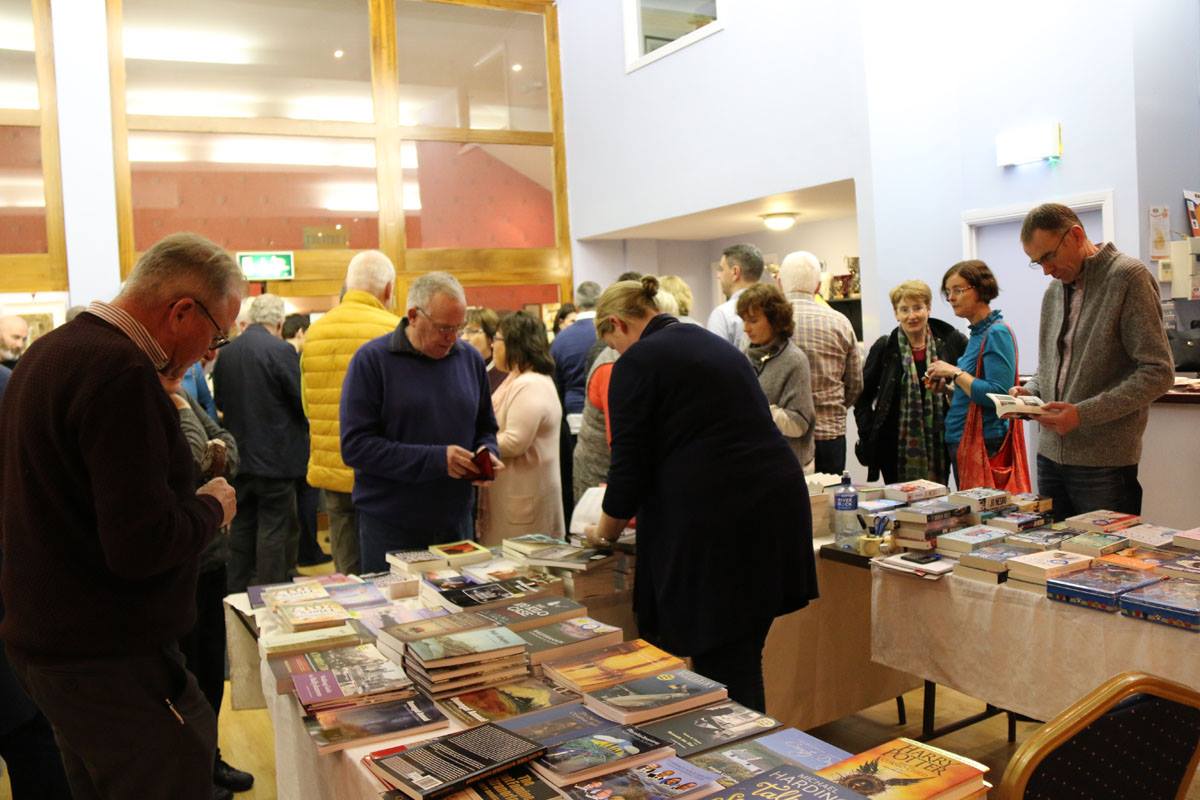
visitors buying books at Allingham Arts Festival

What We Are

In honour of the town’s nineteenth-century poet William Allingham and his wife, the artist Helen.

It is a community festival, rooted in the town, supporting and promoting local and national artists, managed by volunteers, and sustained by a genuine love of the arts.

Our mission is to promote and encourage the creative arts across all disciplines – supporting local, national and international artists, with creativity across borders as a guiding theme throughout. The festival has gone far beyond the remit of the original 1970s edition, set up to promote ‘the written word’.

Each year, the festival brings writing, poetry, art, music, history and current affairs into the heart of the community, using the legacy of William and Helen Allingham as both an inspiration and a foundation. The festival has included blacksmith workshops, craft fairs, visual effects experts, film-makers, designers, cooking demonstrations, mindfulness and environmental talks over the years.

The Abbey Arts Centre in Ballyshannon is our principal home, a vibrant venue that becomes a hub of talks, performances, readings and concerts over the festival weekend. But the festival spills well beyond its walls: into the pubs, the churches, the streets and the traditional music sessions that give Ballyshannon its distinctive November atmosphere.
Festival Team

About us - Allingham Festival team

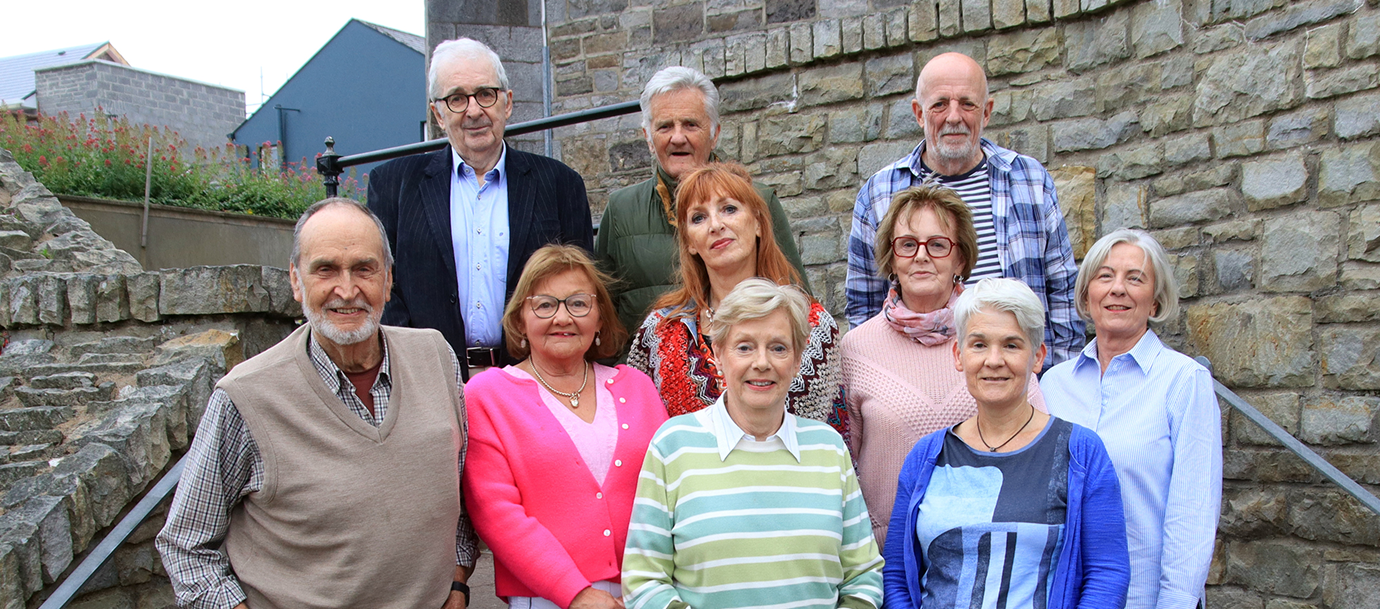
Allingham Arts Festival 2026 Committee -Back Row (l-r): Carl Duggan, Conor Carney, Michael McMullin Middle Row: Mai Kelly, Roísín Lee, Emer O’Shea, Cathleen Dolan Front Row: Tom Sigafoos, Sally Stevens, Marina Flood.

Our History

A festival celebrating the life and work of William Allingham has been a feature of Ballyshannon’s cultural calendar since the 1970s, originally organised by the Ballyshannon Allingham Society with a principal focus on cultivating writing as an art form. After a period of absence, the festival was successfully revived in 2011 by the Allingham Arts Association, relaunched on a broader footing to embrace music, the visual arts, performing arts and history alongside its founding commitment to poetry and literature.

That 2011 revival featured writers and performers including Catherine Dunne, Dermot Healy and Charlie McGettigan, and established the template that has shaped the festival ever since: a mix of competitions, workshops, readings, music, talks and children’s events, open to people of all ages and interests. Since then, the festival has grown steadily in ambition and reputation, going from strength to strength as one of the most welcoming and distinctive arts festivals in the north-west of Ireland.

Checkout Our Archives

Discover winning entries, local history lore, and festival photos dating back over the years.

Explore The Archive

The Programme

Over the years, the Allingham Festival has welcomed some of the finest names in Irish and British cultural life. On the literary side: novelists Anne Enright, Paul Lynch (Prophet Song, Booker Prize winner 2023), Claire Keegan (Small Things Like These), Donal Ryan (Heart Be at Peace, Orwell Prize 2025), Frank McGuinness, Colm McCann and Sebastian Barry have given talks and readings to packed audiences. In drama, the festival has celebrated and produced works by Frank McGuinness and Brian Friel, among others.

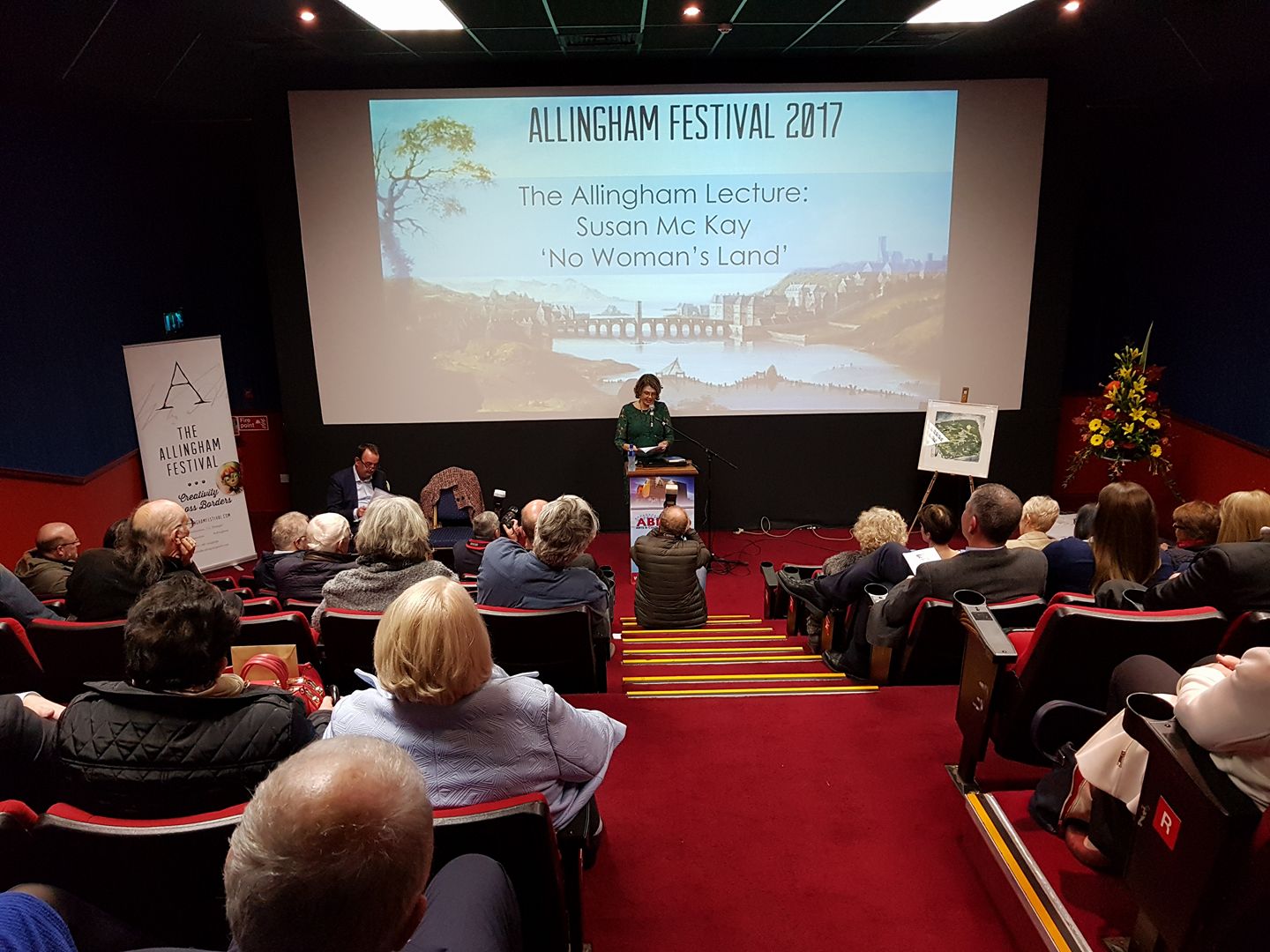
Actors Adrian Dunbar, Stephen Rea and Ian McElhinney have spoken to packed houses. Broadcasters and journalists including John Creedon, Tommie Gorman and Seán Rocks have joined us on stage. Every year the festival hosts the Allingham Lecture, a keynote address on the great questions of our time, delivered by thinkers and writers from across the island of Ireland and beyond.

Music has always been central to our programme. Our concert stage has featured Muireann Bradley, Pauline Scanlon, The Whileaways, The Henry Girls, Niamh Currid, David Rooney, Chanele McGuinness, Seamus O’Rourke and Maurice Lennon, among many others. Rock, trad, folk, classical, opera and electronic artists have all featured in our programmes over the years.

The festival is proud of its cross-border reach, drawing artists, audiences and collaborators from across Northern Ireland, and seeing theatre, poetry and music as a natural bridge between communities. Writers and performers from Belfast, Derry and beyond have been a constant and valued presence in our programme, reflecting our belief that creativity does not stop at borders.

The Festival and the Community

Festival visitors at the Abbey Arts Centre

What no programme listing can fully capture is what happens to the town. Ballyshannon comes alive over the November weekend. The Abbey Arts Centre hums with talks and performances. The pubs, restaurants and cafés fill with visitors who come from across Ireland and further afield – some returning home, others arriving for the first time. For a town of just over 2,000 people, the festival represents a significant economic and cultural event. It sustains local businesses, fills accommodation, and brings the community together in a shared celebration of the arts. For the people of Ballyshannon, it is a point of enormous pride.

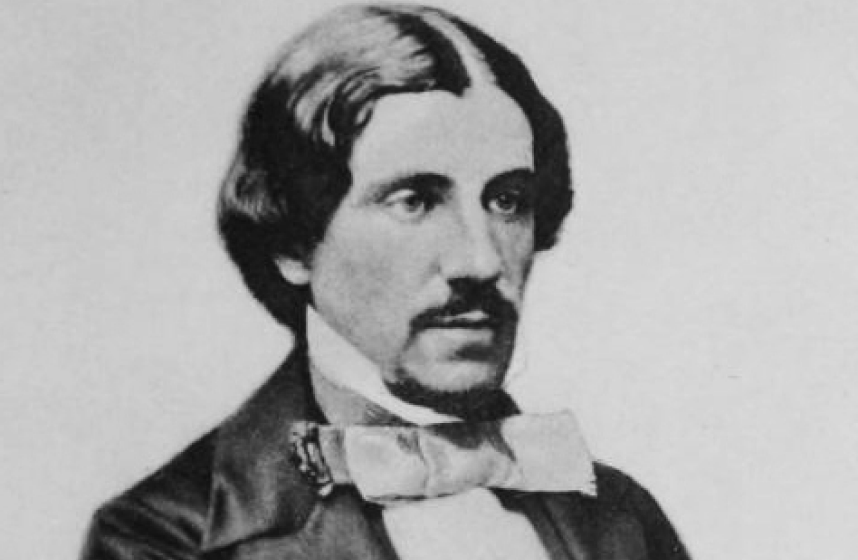
William Allingham (1824–1889)

Poet, Diarist, Bard of Ballyshannon

William Allingham (1824–1889)

William Allingham was born on 19 March 1824 on the Mall in Ballyshannon in a house that still bears a plaque to his memory, the eldest child of a merchant and bank manager. He lost his mother at the age of nine, left school at fourteen, and entered the local customs service, a post he would hold, in various towns across Ireland and England, for the next twenty-five years. It was an unlikely career for a poet, but it gave him time, mobility, and a keen observer’s eye.

From his earliest years, Allingham was determined to write. He began corresponding with the poet Leigh Hunt in 1843, and through him was introduced to the great literary figures of Victorian England: Alfred Lord Tennyson, Thomas Carlyle, Dante Gabriel Rossetti, the Brownings, and many others. His poem The Fairies, published in 1850, became one of the most anthologised poems of the Victorian era, and remains the work for which he is best remembered: “Up the airy mountain, / Down the rushy glen, / We daren’t go a-hunting / For fear of little men…”

His most ambitious work, Laurence Bloomfield in Ireland (1864), was a long narrative poem addressing the Irish land question with a directness that earned it admiring mention in Parliament from Gladstone, and the praise of Turgenev, who said it transformed his understanding of Ireland. His diary, published posthumously in 1907, is a remarkable document of Victorian literary life, offering intimate portraits of Tennyson, Carlyle and Rossetti drawn from decades of friendship.

In 1870 he left the customs service, moved to London, and became editor of Fraser’s Magazine. In 1874 he married Helen Paterson, a talented artist twenty-four years his junior. He died at Hampstead in November 1889. His ashes were brought home, at his own wish, to the churchyard of St Anne’s Church in Ballyshannon — where he rests to this day.

W.B. Yeats, who regarded Allingham as a formative influence on his own work, wrote: “Pleasant destiny has made him the poet of his native town, and put ‘The Winding Banks of Erne’ into the mouths of the ballad singers of Ballyshannon.” That connection between a poet and his place has never been broken.

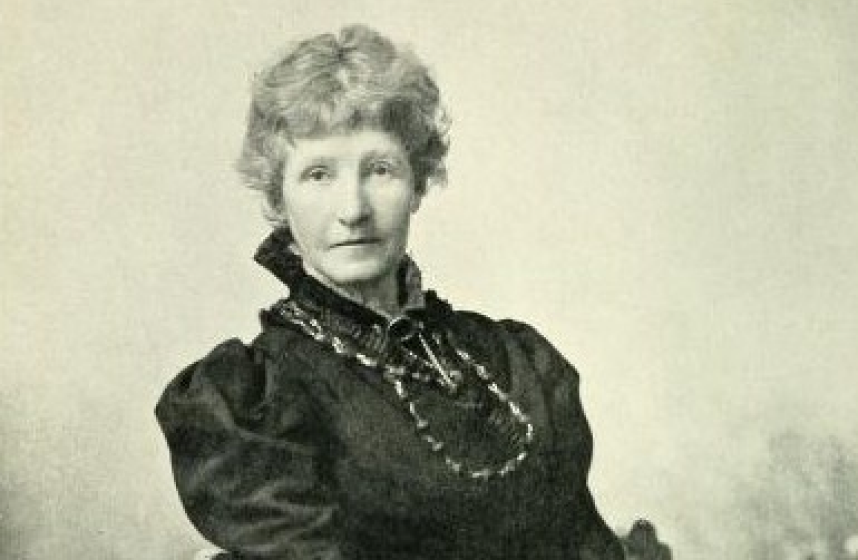
Helen Allingham (1848–1926)

Watercolourist, Illustrator, Pioneer

Helen Allingham (1848–1926)

Helen Allingham (née Paterson) was born in Derbyshire in 1848 into a family with a strong artistic tradition, as her maternal grandmother and aunt were both accomplished artists. Showing a gift for drawing from childhood, she studied at the Birmingham School of Design before winning a place at the Royal Academy Schools in London in 1867. To support herself, she worked as a professional illustrator, joining the newly founded The Graphic newspaper as its only female staff member in 1870. Her illustrations were widely admired: the young Vincent Van Gogh, teaching himself to draw by studying English illustrated journals, was struck by her work.

A pivotal commission came in 1874, when she illustrated Thomas Hardy’s Far from the Madding Crowd for Cornhill Magazine. That same year she married William Allingham. The marriage brought financial security and artistic freedom: she gave up commercial illustration and devoted herself to watercolour painting, for which she had an extraordinary gift.

Her subject was the rural English landscape, such as Surrey and Sussex cottages nestled in woodland, cottage gardens in bloom, children in country lanes. Her paintings were not merely pretty; she was engaged in a conscious act of preservation, recording vernacular buildings and ways of life that were disappearing under the pressure of industrialisation. Architects still study her work for its precise rendering of historic building techniques. The critic John Ruskin, initially sceptical of women artists, was won over by her painting The Young Customers, praising it as “for ever lovely.”

In 1890, she became the first woman elected to full membership of the Royal Watercolour Society, a landmark in the history of women’s participation in the arts. She exhibited at the World’s Columbian Exposition in Chicago in 1893, and continued to paint and exhibit until the end of her long life. After William’s death in 1889, she raised their three children largely through her art, edited and published her husband’s diary and poetry, and kept his memory alive with tireless dedication.

Helen Allingham died in 1926. Her work is held in collections including the Victoria and Albert Museum, and the world’s largest archive of her paintings is housed at Burgh House, Hampstead. Together, William and Helen Allingham represent a partnership of extraordinary creative achievement — a poet and a painter, rooted in one small town on the banks of the River Erne, who each left a permanent mark on the culture of their age.

Our Sponsors

Get in Touch With Us

We’d love to hear from you. Simply drop your details and message in the form, and a member of the Allingham Arts Festival team will get back to you as soon as possible.

Allingham Arts Festival

Nov. 4th – 8th 2026

The Allingham Festival is Proudly Supported by